Cindy Font: A Craft-Friendly Display Typeface for Handmade Products
If you’ve ever spent hours tweaking a design only to feel something is off with the lettering, you know the right font can make or break a product. Cindy is one of those fonts that feels like a discovery. It has a balanced, friendly presence that works across a surprising range of projects. As a maker who sells physical goods and digital printables, I’m always hunting for typefaces that combine personality with real-world usability. Cindy delivers on both fronts.
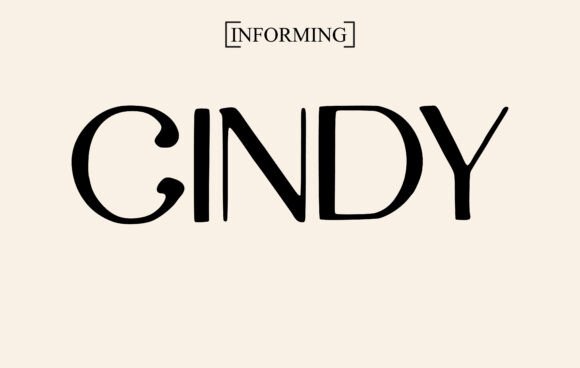
This is a display font with a clean, approachable style. It’s not overly ornate or fussy, but it has enough character to stand out on labels, signs, and templates. The letterforms are legible even at smaller sizes, which is a practical advantage when you’re designing for stickers, tags, or product packaging. Cindy strikes a nice balance between being decorative enough for titles and readable enough for short body text.
What Makes Cindy a Go-To Choice for Crafters and Sellers
When I work on products like candle labels, boutique tags, or farmhouse-style signs, I need a font that feels warm without being childish. Cindy has a slightly hand-drawn quality that adds an approachable, artisanal feel. It doesn’t scream “digital” or “generic.” Instead, it looks like it was made with care, which is exactly the impression I want my customers to have.
The font works beautifully on wedding welcome boards, birthday invitations, and seasonal packaging. For example, I used Cindy on a batch of holiday gift tags last year, and the response was immediate. People mentioned how the lettering felt personal, even though it was printed. That’s the kind of effect a well-chosen typeface can have on perceived quality and emotional appeal.
Cindy also holds up well in cut-file designs. If you use a Cricut or Silhouette for vinyl projects like mugs, tote bags, or wooden signs, the font’s clean strokes reduce weeding frustration. Thin swashes or overly complex scripts can cause headaches with cutting machines, but Cindy avoids those pitfalls. It’s a reliable choice for both print and cut.
Practical Applications: Labels, Stationery, and Digital Downloads
One of the first places I tested Cindy was on product labels for a small batch of handmade soap. The font sat naturally on small rectangular stickers, staying readable at a 1-inch width. That’s not something every display font can do. Many decorative typefaces become muddy or lose clarity when scaled down. Cindy remained crisp, and the spacing felt generous without being loose.
For stationery designers, Cindy is a strong candidate for greeting cards, planner pages, and invitation suites. It works particularly well for names, short phrases, and decorative wording. I’ve paired Cindy with a clean sans serif for event details on wedding invitations, and the contrast created a polished, modern look. The font also stands alone on envelope addressing or place cards where you want a personal touch.
Printable product creators will appreciate Cindy’s versatility in wall art and templates. Whether you’re designing a motivational print, a family name sign, or a seasonal quote, the font adds a handcrafted feel that resonates with buyers looking for something unique. I’ve seen Cindy used effectively on farmhouse-style prints and bright, cheerful kids’ room art, which speaks to its range.
Readability and Production Considerations
Readability is a top concern when you’re selling physical products. A font might look beautiful on screen but fail on a printed sticker or a vinyl decal. Cindy holds its own in both small and large formats. The letter shapes are distinct, and there’s no confusion between similar characters. This is especially important for product labels where ingredients, care instructions, or short descriptions need to be clear at a glance.
For mockup previews, Cindy reads well at display sizes and still looks intentional at smaller point sizes. If you’re designing social media graphics or web graphics to promote your products, the font maintains its character without feeling heavy or overpowering. That makes it a flexible asset for brand consistency across your shop and marketing materials.
When working with cutting machines, I recommend testing a small sample first. While Cindy is generally cut-friendly, intricate details or tight curves can sometimes cause lifting issues on adhesive vinyl. A short test cut will save you time and material. For print-and-cut projects like stickers, the font performs reliably with standard settings.
Font Pairing Ideas for Cohesive Branding
Pairing Cindy with a complementary typeface can elevate your designs. Because Cindy has a friendly, slightly hand-drawn personality, it benefits from a clean, understated partner. A simple sans serif like a geometric or neutral style creates breathing room and lets Cindy take the spotlight. For a more traditional look, try a basic serif for body text, especially in invitations or printed collateral.
I’ve also paired Cindy with a simple script for accent words or headers. The key is to keep the secondary font minimal so the overall design doesn’t feel busy. If you’re designing product packaging, using Cindy for the product name and a simple sans serif for descriptions creates clear hierarchy and a professional finish.
For social media graphics or web banners, Cindy can act as the hero typeface with a smaller, neutral font for hashtags or calls to action. This keeps your brand identity consistent across platforms and physical products.
What to Check Before You Start Designing
Before you dive into a project, it’s worth reviewing what’s included in the Cindy font package. Check for available styles, alternates, ligatures, or swashes if they are listed. These extras can give your designs a custom feel without needing additional editing. Some font packages include multiple weights or special characters that expand your creative options.
Also verify file formats. Most commercial fonts include OTF or TTF files, which work with design software used by crafters, such as Adobe Illustrator, Canva, Silhouette Studio, or Cricut Design Space. If you plan to sell templates or printables, compatibility is essential.
If multilingual support matters for your products, check whether Cindy includes accented characters or extended Latin sets. This is particularly relevant if you sell to international clients or create bilingual designs.
A Note on Commercial Licensing for Your Shop
Using fonts for commercial purposes means understanding the license. If you sell physical products such as mugs, shirts, candles, or tote bags, or if you offer digital downloads like templates, printables, or SVG designs, you need a commercial font license. Cindy’s licensing terms should clearly state whether it covers physical goods, digital products, or client work.
When you purchase a license, keep a copy of the terms for your records. Some licenses restrict the number of sales or require an extended license for certain use cases, such as merchandise or templates. Always read the fine print so you can use the font confidently in your shop without legal concerns.
I make it a habit to save license PDFs in the same folder as my font files. That way, if a platform or customer asks, I have the documentation ready. It’s a small step that protects your business and lets you focus on creating.
Why Cindy Belongs in Your Design Toolkit
Cindy is not a fleeting trend. It’s a reliable display font that has earned a spot in my regular rotation. Whether I’m designing product labels, wedding stationery, farmhouse signs, or digital printables, the font delivers consistent results. It’s legible, attractive, and versatile enough to work across different mediums and customer preferences.
If you’re a crafter, Etsy seller, or printable creator looking for a font that adds personality without sacrificing clarity, Cindy is worth adding to your collection. It supports the kind of thoughtful, handmade aesthetic that buyers respond to, and it holds up under the real-world demands of production. That combination is harder to find than you might think.