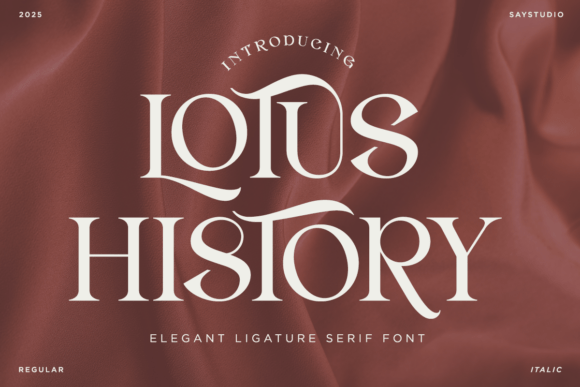
Lotus History: An Elegant Serif Font for Beautiful Branding
When you run a small business, every detail matters. The colors you choose, the paper you print on, and the fonts you use all tell a story about who you are. Lotus History is an elegant ligature serif font that brings a refined, sophisticated look to your brand without feeling stiff or old-fashioned. Its tall, slender letterforms carry a graceful personality that works across a wide range of business materials, from product labels to social media graphics. If you have been searching for a font that feels both polished and approachable, this one deserves a close look.
What Makes Lotus History Stand Out
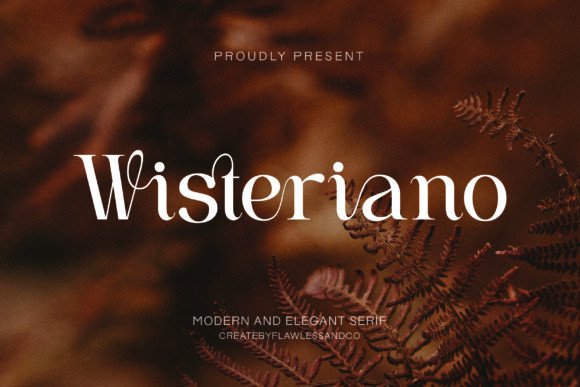
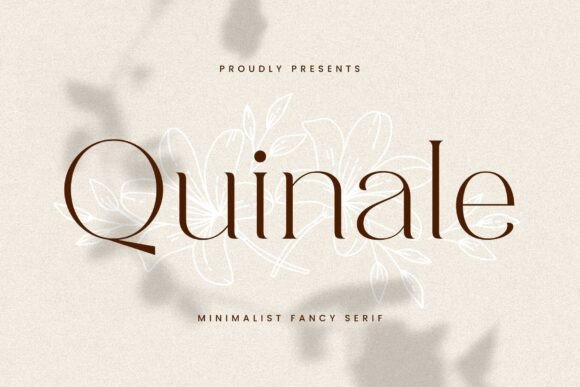
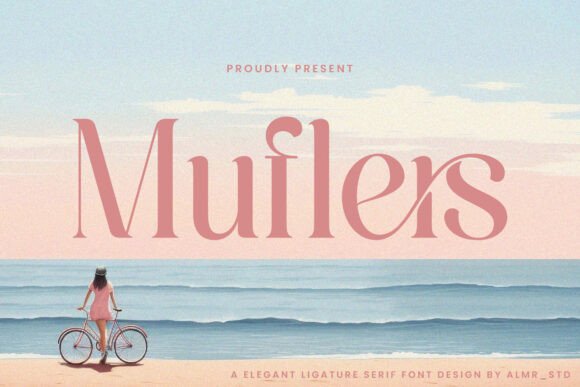
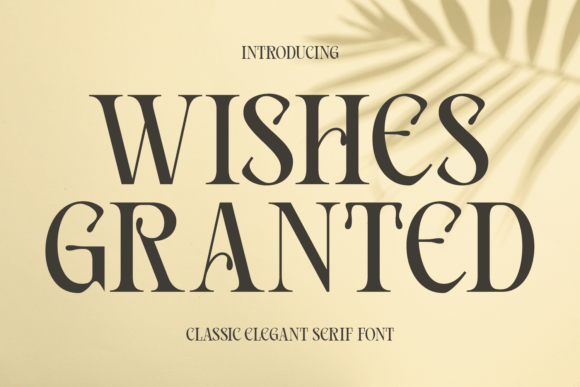
Lotus History is not just another serif font. It is a display font with a distinct sense of character. Each letter is thoughtfully crafted with slender proportions and flowing ligatures that connect naturally, creating a seamless reading experience. The overall mood is elegant, romantic, and slightly vintage, yet clean enough to feel modern. This balance makes it suitable for brands that want to communicate quality, care, and attention to detail.
The ligature feature is especially useful for headlines and logos. When certain letter combinations join together, the result is smoother and more visually interesting. This makes Lotus History feel like a custom typeface rather than a generic option. For a small business owner, that kind of distinctiveness can make a real difference in how customers perceive your brand.
A Practical Font for Real Business Materials
The beauty of Lotus History is that it works in many real-world settings. You do not need to be a professional designer to use it effectively. Here are some practical ways you can incorporate this font into your day-to-day business materials.
Logos and Branding
Because Lotus History is tall and slender, it works beautifully as a logo font for brands that want to feel elegant and trustworthy. A small bakery could use it for their wordmark logo, pairing it with a simple icon. A wedding planner or florist could rely on the font to convey romance and precision. Even a coaching business focused on personal growth could use Lotus History to signal professionalism and warmth. The key is to let the font lead the visual identity, especially in the logo, where first impressions matter most.
Product Labels and Packaging
For handmade sellers and product-based businesses, packaging is often the first physical touchpoint a customer has with your brand. Lotus History works beautifully on candle labels, skincare jars, coffee bags, and gift boxes. Its slender strokes remain readable even at smaller sizes, which is important when you have limited space on a label. The elegant ligatures add a touch of luxury that can justify a higher price point without feeling overdone.
Imagine a small-batch honey brand using Lotus History on amber glass jars, or a boutique soap maker printing it on kraft paper tags. The font brings a sense of intention and care that customers notice. That kind of detail builds trust over time.
Menus, Business Cards, and Stationery
Restaurants, cafés, and coffee shops can use Lotus History for menu headings and featured items. Its tall letters create a sense of vertical rhythm that makes menus easy to scan. For business cards, the font adds a refined touch that stands out in a stack. A creative agency or consultancy might use Lotus History on their cards to signal both creativity and reliability. Thank-you cards, notepads, and invoice templates all benefit from the same consistent typography.
Social Media Graphics and Digital Ads
Your online presence matters just as much as your physical materials. Lotus History works well for Instagram posts, Pinterest graphics, Facebook covers, and digital ads. Because it is a display font, it performs best when used for short headlines, quotes, or product names rather than long paragraphs. On mobile screens, where attention spans are short, the font's elegance helps your message stand out in a busy feed.
For a beauty brand posting a new product launch, using Lotus History for the product name in a clean, minimal graphic can create a polished look that feels editorial. A boutique clothing store could use it for sale announcements or seasonal promotions. The font adapts to different styles depending on the colors and imagery you pair with it.
When to Use Lotus History as a Headline, Logo, or Accent
Like any expressive serif font, Lotus History shines in specific roles. Use it as a headline font for website banners, email headers, and print titles. It also works beautifully as a logo font, especially for brands with a feminine or sophisticated identity. You can also use it as an accent font for pull quotes, section dividers, or decorative elements. Avoid using it for large blocks of body text, as the slender strokes can become tiring to read at length. Instead, reserve it for moments where you want to make an impression.
Readability in Real Business Settings
One concern small business owners often have is whether an elegant font will remain readable in practical situations. Lotus History holds up well on small labels, mobile screens, and printed packaging, provided you keep the text size reasonable. Test the font at the actual size you plan to use before committing. For example, if you are printing a small ingredient label, make sure the font is large enough to read without strain. On social media, check how the font looks on a phone screen before posting. A quick test can save you from unexpected surprises.
Simple Font Pairing Ideas
Pairing Lotus History with a clean sans serif font is a reliable way to create contrast while keeping your brand cohesive. The delicate serif letterforms of Lotus History balance well with a simple, modern sans serif like a geometric or humanist option. Use Lotus History for headings and the sans serif for body text, descriptions, or supporting information. You can also pair it with a subtle script font for accent words, but be careful not to overdo it. The goal is to let Lotus History lead while other fonts support it without competing.
Another option is to pair Lotus History with a readable serif font for a more traditional or editorial feel. This works well for brands that want to communicate heritage and trust. Test different combinations on your actual materials to see what feels right for your specific audience.
Test Before You Commit
Before rolling out Lotus History across your entire brand, take the time to test it in a few real contexts. Create a mockup of your logo, print a sample label, or design a social media post. See how the font looks in different colors, on different backgrounds, and at various sizes. Ask a friend or colleague for their honest opinion. A font that looks beautiful in isolation may not always work in every application. Testing helps you catch issues early and ensures your final brand materials feel intentional and polished.
Licensing and Commercial Use
As a small business owner, it is important to check the commercial licensing for any font you plan to use on products, packaging, templates, merchandise, or client work. Lotus History, like all premium fonts, may have specific terms regarding commercial use. Make sure you understand whether you need an extended license for certain applications, especially if you are selling products with the font on the packaging or using it in logo designs for multiple clients. A proper license protects your business and respects the work of the type designer. Always read the terms carefully before using the font in any revenue-generating context.
Building a Consistent Brand Identity
Consistency is one of the most powerful tools a small business has. When customers see the same fonts, colors, and visual style across your website, packaging, social media, and printed materials, they begin to recognize and trust your brand. Lotus History can help anchor that consistency, especially if you use it as a core element of your visual identity. Whether you are a boutique owner, a café founder, or an independent creator, the right font makes your brand feel more professional and memorable.
By choosing Lotus History, you are not just picking a decorative typeface. You are selecting a design asset that communicates elegance, care, and quality. Used thoughtfully, it can elevate your brand across every touchpoint and help you stand out in a crowded market.